


The Garden Mistakes You Only Notice After 10 Years
(And Why They’re Rarely the Ones You Planned For)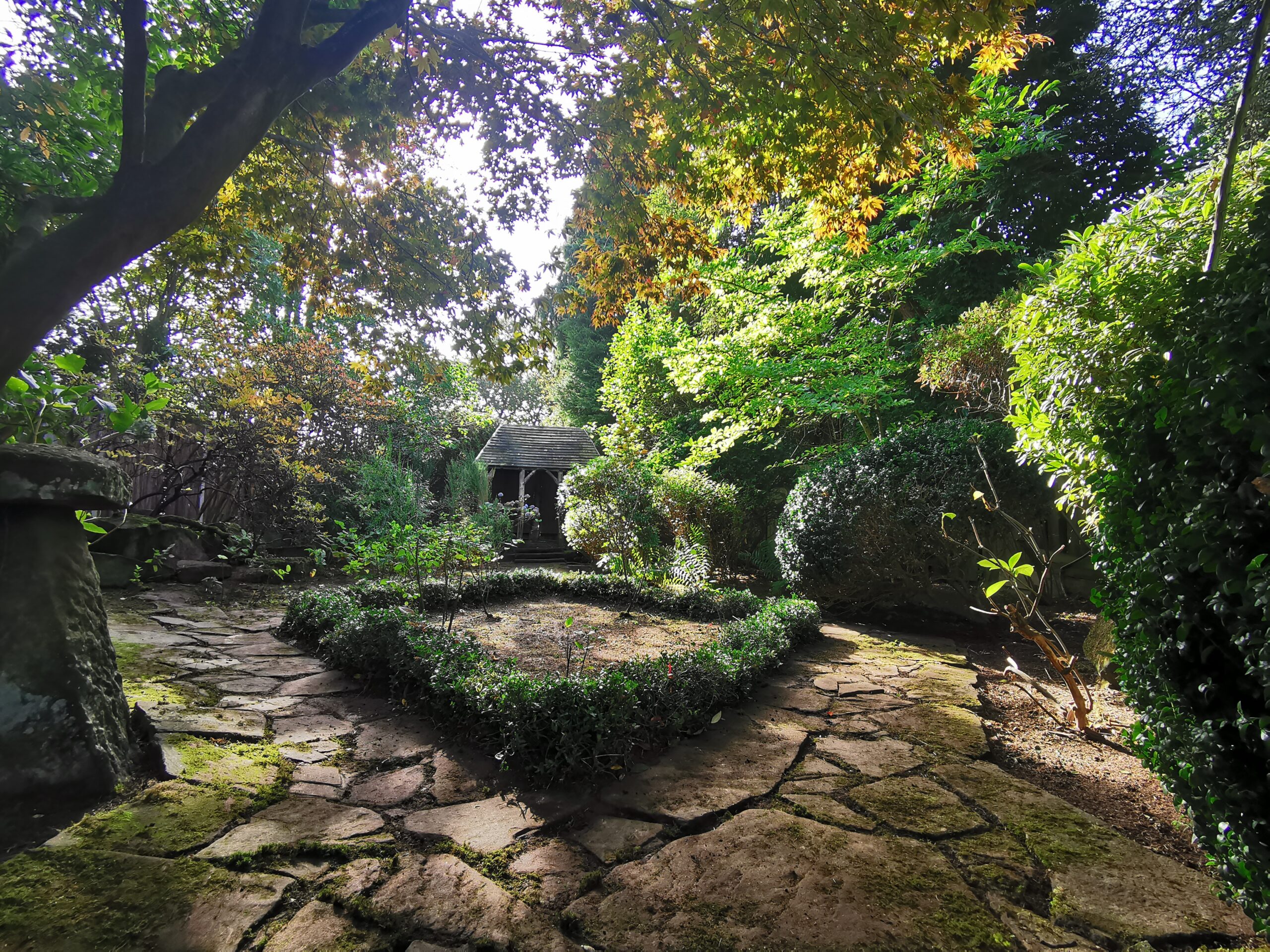
A while ago, I was asked to look at a garden that had been carefully designed and planted around a decade earlier — not by us, but by a good designer and a capable contractor.
Nothing had gone wrong.
The plants were healthy. The layout still made sense on paper. The garden was clearly well cared for.
And yet, the owners said the same thing we hear time and again:
“It just doesn’t work the way it used to.”
That’s the point at which long-term garden mistakes reveal themselves. Not through failure, but through quiet mismatch.
1. Gardens Are Usually Designed for a Snapshot in Time
Most gardens are designed around how life looks at that moment.
In this case, the owners entertained frequently. The main patio was large, open, and positioned for evening sun. It worked perfectly — for years.
Over time, habits changed. Entertaining became occasional rather than regular. The large table stayed folded away. What once felt sociable began to feel exposed.
Meanwhile, a smaller, sheltered corner — never intended as a seating area — became the place they actually wanted to sit.
The design wasn’t wrong. It had simply outlived the lifestyle it was built around.

2. Planting That Depends on Control Ages Poorly
In another garden, the planting still looked impressive — but only because it was being worked hard.
Shrubs were cut back heavily to keep access clear. Perennials were lifted and divided regularly to stop them overwhelming neighbouring plants. Stakes and ties were a permanent fixture.
The owner described the garden as “relentless”.
This is a common long-term issue. Planting schemes that rely on frequent correction don’t become easier with time — they become tiring.
Gardens that age well are inherently stable. They don’t need constant interference to behave themselves.
3. Light and Shelter Change, Whether You Plan for It or Not
One of the most overlooked long-term changes in a garden is light.
Hedges thicken. Trees mature. Wind patterns soften. What began as dappled shade becomes deep shade.
We regularly see:
-
Flowering shrubs that gradually stop performing
-
Lawns thinning in places that once dried quickly
-
Borders becoming damp and stagnant despite good soil
Nothing has “failed”. The conditions have shifted — and the planting hasn’t been adjusted to match.

4. Features That Made Sense Once Can Become Obstacles Later
Permanent features have a habit of outstaying their usefulness.
Raised beds installed for productive growing that’s no longer happening. Pergolas casting shade where it’s no longer wanted. Retaining walls dictating layout long after the reason for them has gone.
These elements aren’t mistakes — but leaving them unquestioned often is.
Gardens improve dramatically when owners allow themselves to remove things that no longer serve a clear purpose.
5. When a Garden Stops Drawing You Outside
This is the moment most people struggle to articulate.
The garden still looks respectable. Visitors compliment it. Nothing demands urgent attention.
But it no longer pulls you outside.
Seating doesn’t quite feel right. Views don’t settle. Time in the garden feels less restorative than it once did.
At this stage, the issue is rarely a single plant or feature. It’s the accumulated effect of decisions that were never revisited.
Why Some Gardens Still Work After 15 or 20 Years
The gardens that continue to feel right over time share a common trait: they’ve been edited.
Plants removed without sentiment. Borders simplified. Conditions reassessed. Structure adjusted.
They haven’t been constantly changed — just periodically reconsidered.
That’s the difference between maintenance and stewardship.
If Your Garden Feels “Fine” but Not Quite Right
Most of the gardens we’re asked to help with aren’t neglected and don’t need starting again.
They need selective pruning, thoughtful removal, soil improvement, and a clear-headed look at how the garden actually functions now — not how it was once intended to.
If your garden feels like it should be giving you more than it is, an experienced outside eye usually saves years of frustration.
You’re welcome to get in touch for a conversation. No pressure, no sales pitch — just an honest assessment of where your garden is now, and where it could go next.
 Request a callback
 View our brochure